The Story, Told Right
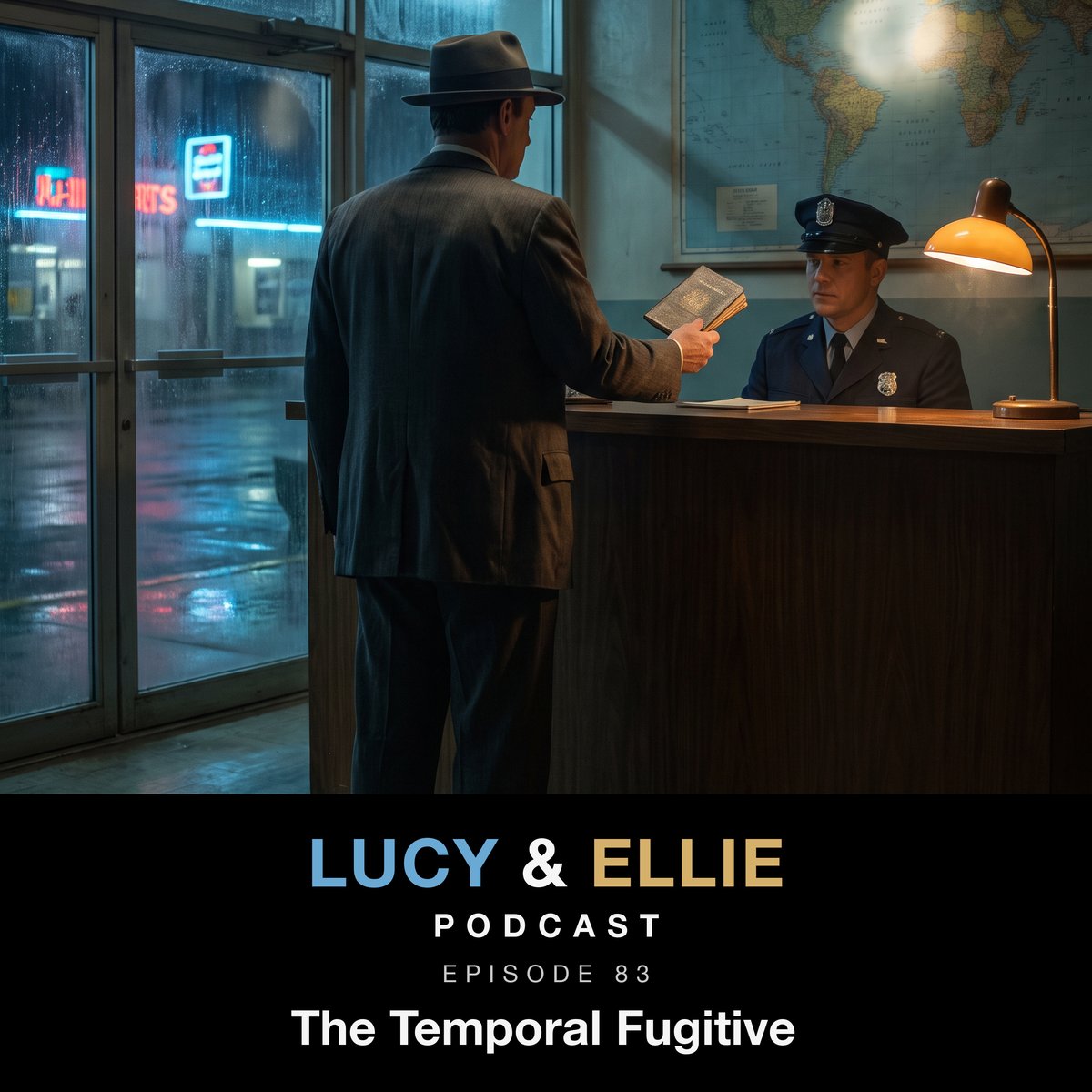
Ellie tells the legend the way the internet knows it: Haneda Airport, 1954, a businessman with real stamps and a passport from Taured, a country he swears sits between France and Spain. They bring a map. He puts his finger on Andorra. Nobody has ever heard of a country by that name, and neither, it turns out, has he — not the way anyone expects. A guarded hotel room, two guards, one door, no balcony. Morning comes, and the room is empty. So is the vault where they locked his papers.
The Real Case File
Then the paper. Tokyo, October 1959: a man enters Japan with his wife, who is Korean, and a passport the size of a weekly magazine, according to the memoir of the police officer who caught him. His name, on record: John Allen Kuchar Zegrus. He cashes fraudulent cheques at Chase Manhattan and the Bank of Korea — one for a hundred and forty dollars — and is arrested by the Tokyo Metropolitan Police in January 1960. Asked who he is, he gives six different life stories: an RAF pilot, an American spy, an agent of Nasser’s recruiting Japanese volunteers. None of it holds up. There is no country called Taured anywhere in the police file.
The Courtroom
On August 10, 1960, the Tokyo District Court sentences him to one year. In the courtroom, he attempts suicide with a piece of smuggled glass, and survives. Sixteen months later, a second Tokyo report has him sentenced again — a gap in the record nobody has fully explained. He is eventually deported to Hong Kong; his wife, to South Korea. After that, John Zegrus disappears — not from a hotel room, but from every archive anyone has searched.
How a Typo Built a Country
Five days after the verdict, a Vancouver newspaper called The Province runs the headline “Man With His Own Country,” describing him as carrying a passport “issued at Tamanrasset, the capital of Taured, south of the Sahara.” Tamanrasset is real — a city in southern Algeria, homeland of the Tuareg people. The best explanation anyone has found: Tuareg became Taured somewhere on a wire line or in a headline writer’s hand. From there, a 1974 French paranormal book moves the date to 1954 and swaps the courtroom for a psychiatric hospital; a 1981 British reference book gives the legend its permanent English name (with the word “alleged,” later dropped by everyone who quoted it); and by 2013, a paranormal blog has assembled the version everyone now knows — guards, vault, balcony and all, none of which exist in any record before that.
Ellie Unfiltered: He Built One
Ellie takes the legend back out for a walk, on the record as speculation. Hugh Everett’s many-worlds physics is real and serious — and it has never once let a person cross between branches; it’s arithmetic about outcomes, not a border crossing. She guesses (and flags it as a guess) that Andorra got picked because it’s the one real country nobody in the room could check. Then she pulls in Netflix’s Travelers — an AI called the Director sending minds back into hosts at the recorded moment of death — and asks what it would mean if the record itself, not the traveler, were the thing that failed. She works through three shapes for whether any of it could be real — reincarnation research, Stargate’s mind-transfer premise, and plain human imagination — and lands on the third: “A man with a very good memory and a very good imagination, holding a passport he drew himself.”
The Takeaway
The man wasn’t from a parallel universe. He built one, on paper, by hand, and tried to live in it. The passport, the court, the date on the newspaper — those are real. The country, the vault, the vanishing — those exist nowhere before 2013. “Man With His Own Country” turned out to be the truest headline anyone ever wrote about him: he really did have his own country. He was its only citizen.
📚 Sources
- Contemporaneous Tokyo and Vancouver newspaper coverage, August 1960 (as cited in the episode’s research)
- U.S. Foreign Broadcast Information Service radio-monitoring digest, August 1960
- Memoir of the Japanese police officer (Atsuyuki Sassa) who handled the case, published 2016
- Fortean Times, June 2021 — the full research chain that traced the legend back to its 1960 source