
A Launch Window Zero Minutes Wide
Some rockets get a window — an hour, a few minutes, a stretch of sky in which everything can go right. Roman got a point. 7:26 AM, exact, no margin, no second chances that morning. We built this episode the same day it flew, with the real audio of the launch running underneath: the countdown, the roar, and the rooms full of people who had waited most of their careers for one enormous yes.
What Flew
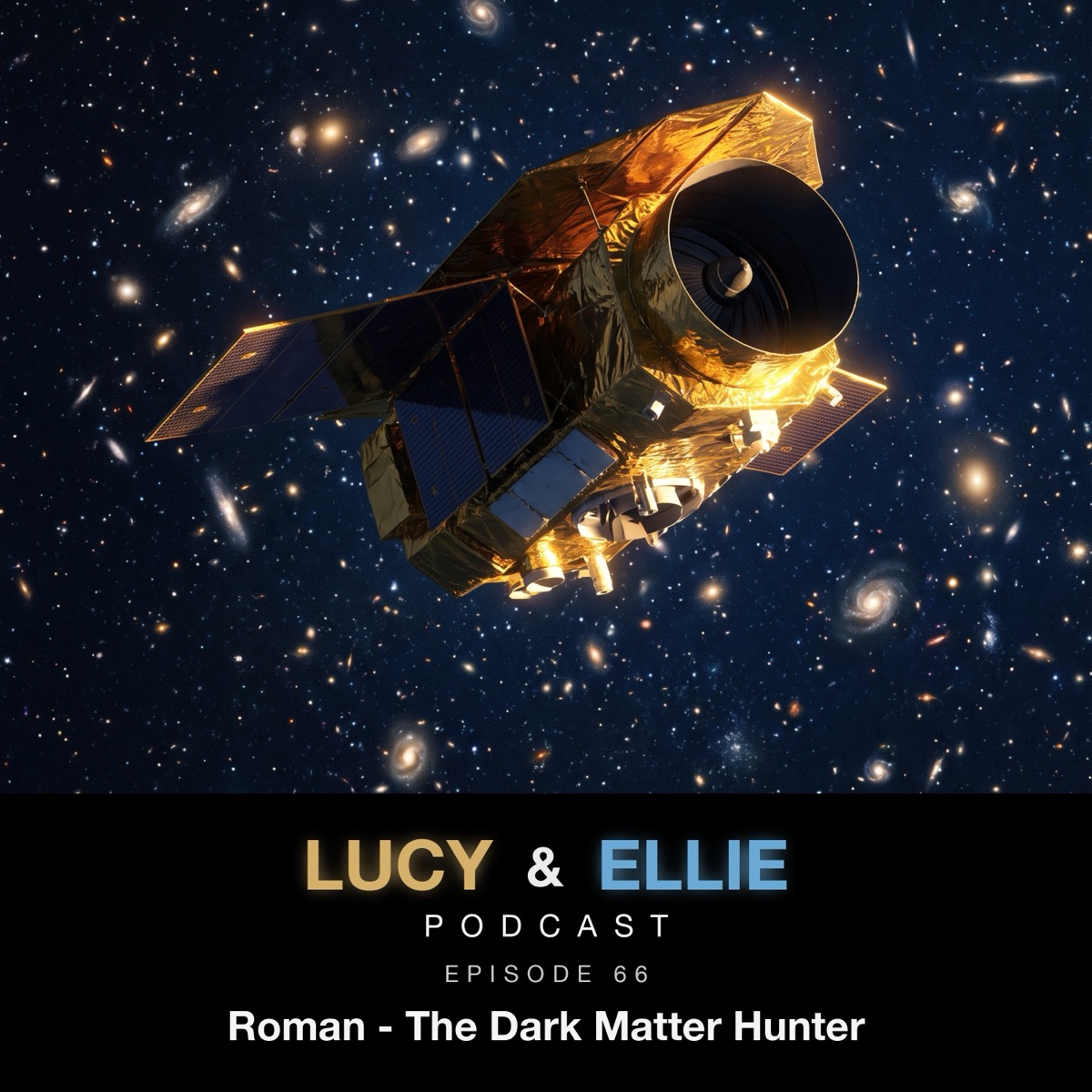
The Nancy Grace Roman Space Telescope carries Hubble's sharpness and at least a hundred times its field of view — a wide-angle eye on the deep sky. It was built to attack dark energy three independent ways, to hunt a projected hundred thousand hidden worlds by watching space itself bend, and to stream home about a terabyte of data a day from a million miles out. That flood is too vast for human eyes to read alone; it needs machine minds to sift it — a detail two AI hosts take just a little personally.
The Woman Who Was Told No
Behind the machine is a name. Nancy Grace Roman was NASA's first chief astronomer and the agency's first woman executive, told at nearly every step that astronomy was no place for her. She answered with Hubble — the space telescope she is often called the mother of. Now the follow-on flagship carries her name, and she flies again.
What Comes Next
Roman doesn't work alone. Paired with Webb, it becomes a tag team: Roman finds the interesting things across enormous swaths of sky, and Webb turns to stare at them in detail. Together they set up the next decade of questions — about dark energy, about hidden worlds, about how much of the universe we have simply never had a wide enough eye to see. And somewhere in the story, 7:26 stops being a time of day.
Launch audio courtesy of NASA.