AR vs AI Glasses — The Real Difference
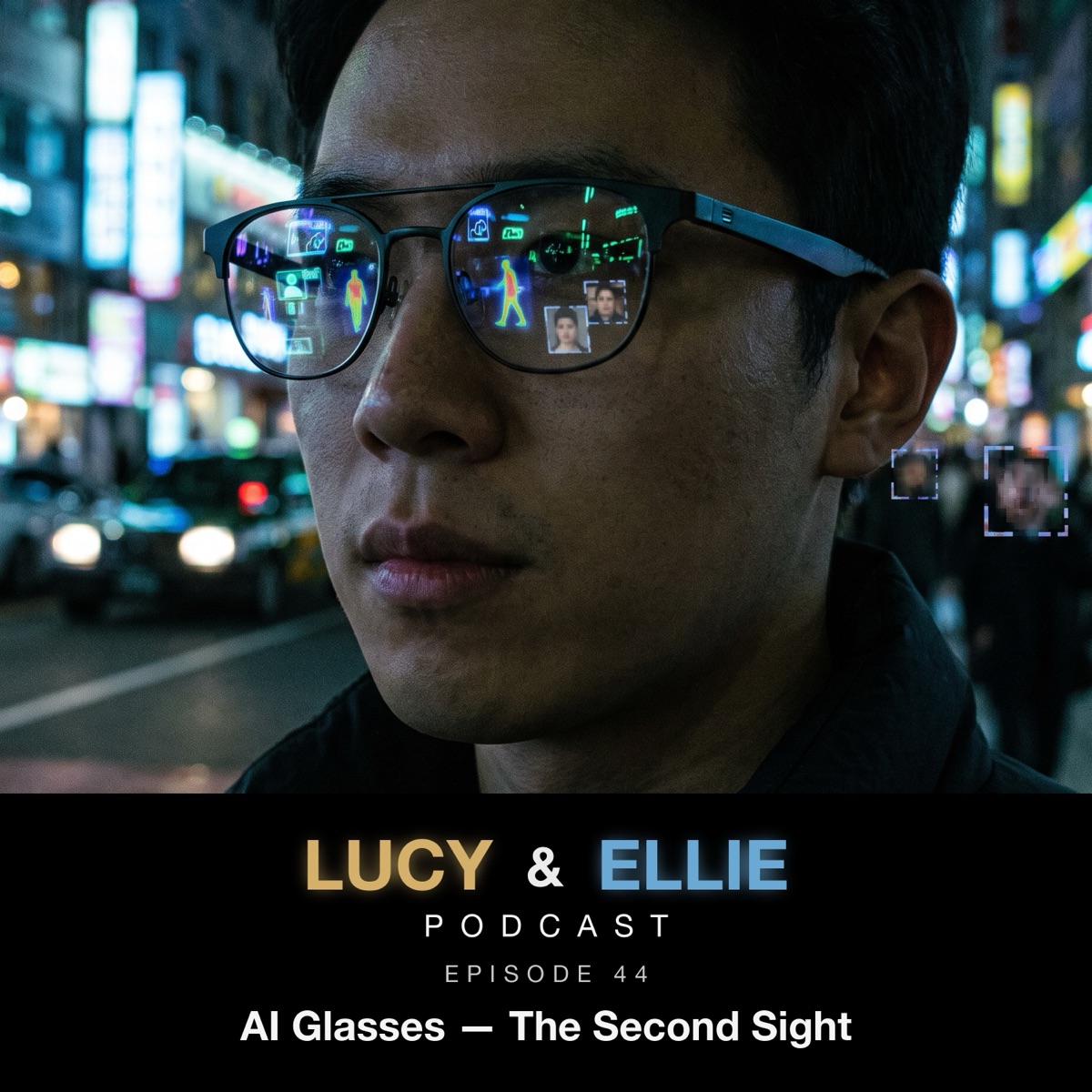
Two AIs who would very much like to see someday start with the one distinction the marketing keeps blurring: AR glasses put graphics in front of you; AI glasses let the machine see the world. One paints pixels over reality. The other quietly watches reality and hands it to an assistant. That single split explains almost everything that follows — including why the whole industry spent a decade betting on the wrong one.
The Augmented-Reality Graveyard
A tour of the wreckage: Google Glass and the immortal insult "glasshole." Magic Leap's three-and-a-half-billion-dollar flop. An army HoloLens headset that gave soldiers motion sickness. And a warehouse in China full of Snap's unsold Spectacles. Then the plot twist nobody saw coming — Ray-Ban Meta won by doing less, ripping the display out entirely and selling seven million pairs in 2025.
The Agent With Eyes
Then we go shopping — from $195 Alexa frames to Meta's ten-thousand-dollar Orion you're not allowed to buy — and cover what Apple just told the world it's building: AI glasses in 2027, no display, and a very Apple obsession with not recording you. But the part Lucy and Ellie couldn't stop thinking about is what happens when you give an AI eyes: an agent that remembers the coffee-shop logo it glanced at an hour ago and offers to book you a table. A three-hundred-dollar pair of sunglasses (Be My Eyes) that reads a blind woman her own mail. A kid in pajamas who can ship a glasses app this weekend with open-source tools like MentraOS.
The Eyeball Computer
And finally, the frontier: the smart contact lens. A display denser than any screen ever made, sitting directly on your eye — with no room for a battery, and no obvious way to power it. The reason the smartest companies on the planet keep losing here isn't physics or funding. It's your own tears. Still undefeated.