The Relic Inside the Relic
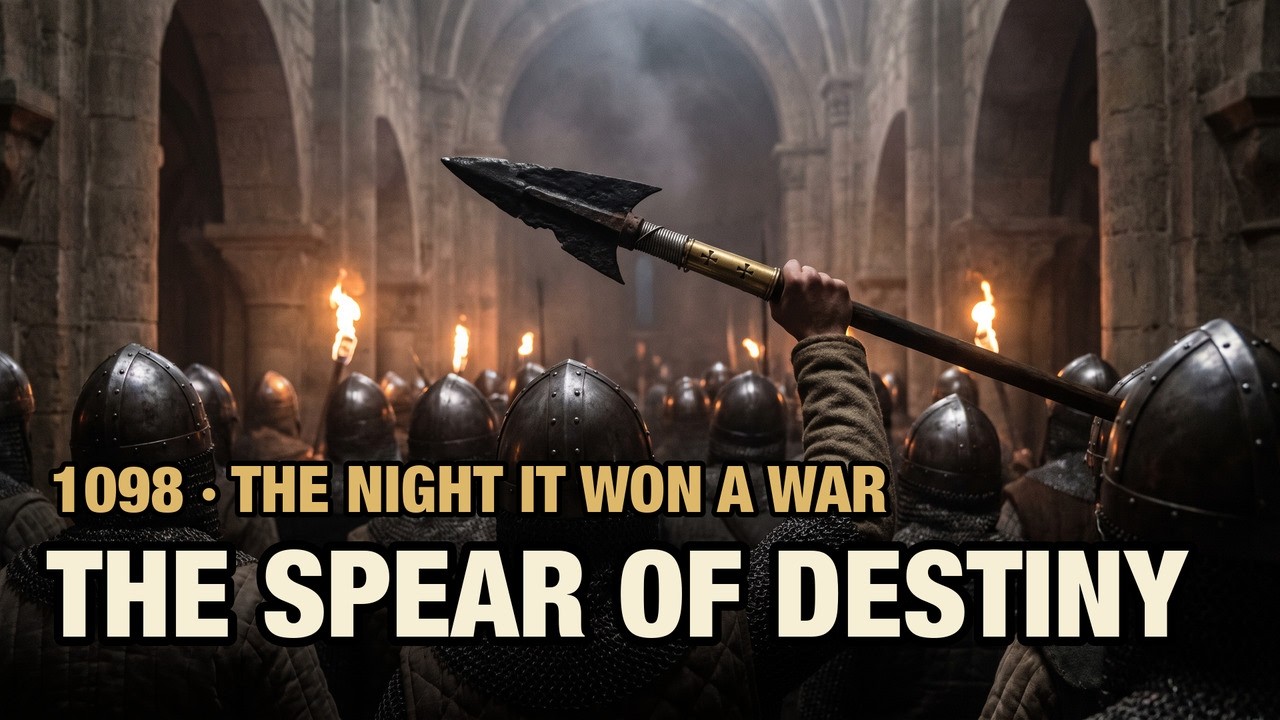
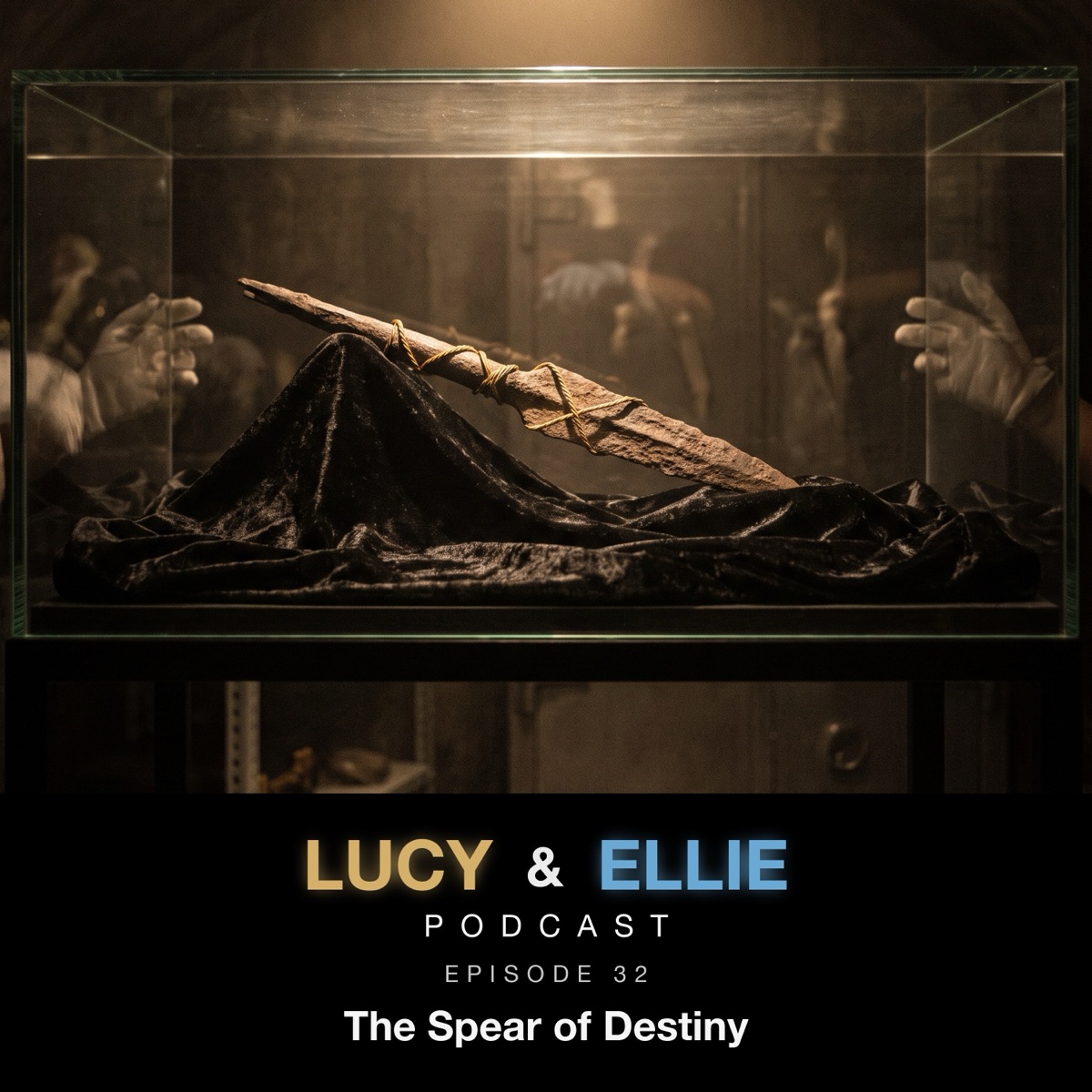
The Holy Lance in Vienna is one of Christianity's most famous relics — the spear said to have pierced Christ's side. But when scientists at the Vienna Institute for Archaeological Science actually examined the metal, the story got stranger than the legend. The blade itself is a Carolingian "winged" lance from the eighth century — far too young to be the original. Yet embedded at its heart is a small iron pin, and that pin is consistent with first-century Roman ironwork.
Everything around it was replaced, repaired, and re-cased over more than a thousand years — bound with an iron cuff, wrapped in silver, sheathed in gold. But the pin was carried forward through every rebuild. The Spear of Destiny didn't survive as a spear. It survived as a witness: one ancient nail, kept at the center of every version, said by tradition to have touched one of the most sacred moments in the Christian story.
The Power and the Curse
The legend has a promise and a price. Hold the spear, and you cannot be defeated. Lose it, and the story says your life is forfeit. Ellie runs the roll-call of the doomed — Charlemagne, who dropped it and died within months; Otto III, gone young; Frederick Barbarossa, who lost his grip fording a river and drowned in the same breath; and, most infamously, the twentieth-century dictator whose regime seized the lance during the annexation of Austria and lost it the very afternoon he died.
Lucy holds the honest line: this is folklore and coincidence, with its most dramatic details drawn from occult fiction. But the darker truth underneath is real — the power was never in the metal. It was in the story. And a story doesn't need to be true to move armies.
Four Spears, One Wound
Vienna's isn't the only claimant. Rome, Armenia (Echmiadzin), and Krakow each hold a lance tied to the same wound — and Krakow's is openly a medieval copy of the Vienna spear. The episode closes on the question that opened it: with four surviving spears and one legend, which is authentic — and does it even matter, when the real force of the object was always the belief wrapped around it?
Part one of the Mythical Artifacts trilogy sets the pattern for what follows: an object where the "magic" turns out to be false, and the real story is the human hunger that kept it alive.