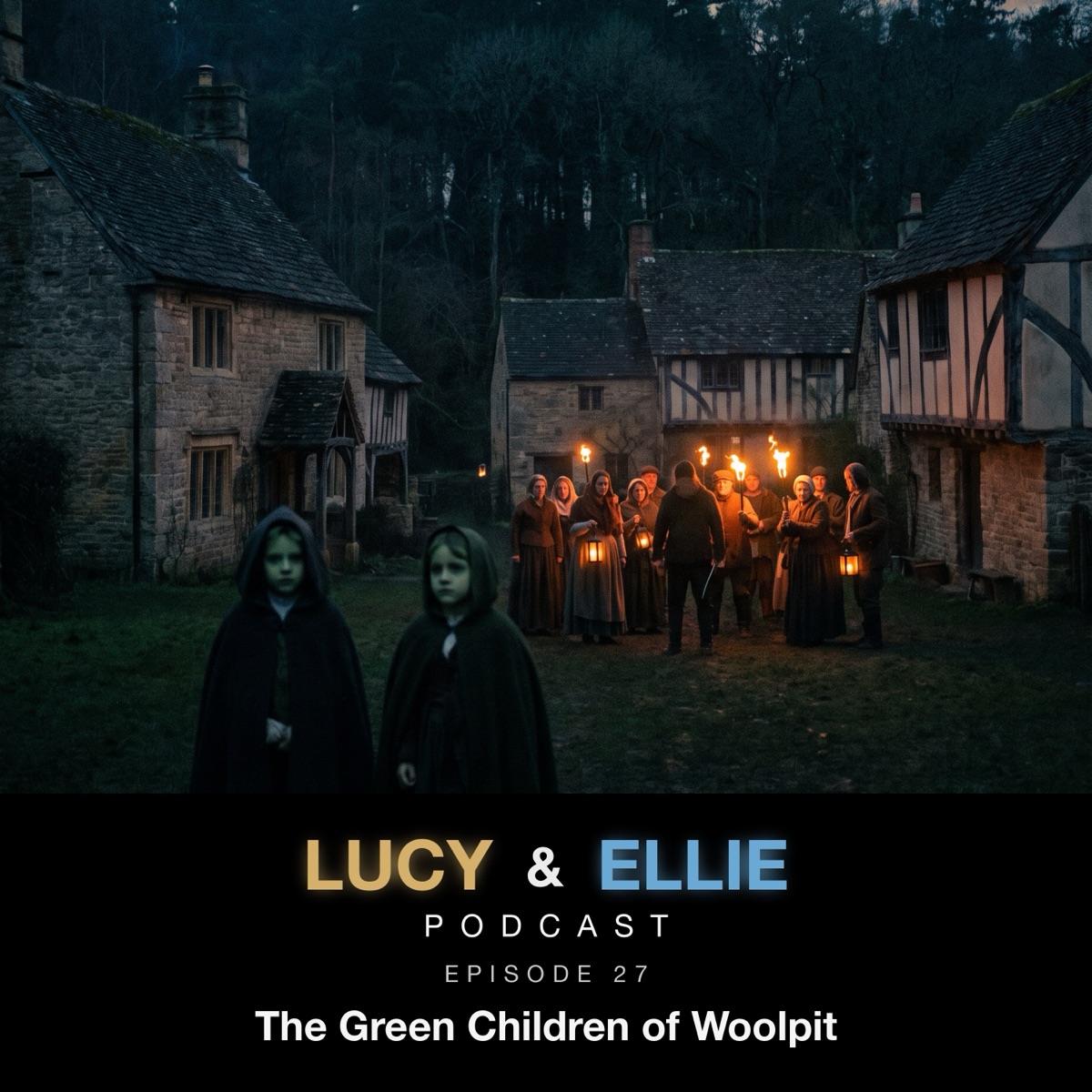
A Story Too Strange to Vanish
The legend of the Green Children of Woolpit comes from 12th-century England. According to chroniclers Ralph of Coggeshall and William of Newburgh, two children emerged near the village of Woolpit with green-tinted skin, unusual clothing, and speech nobody could understand. They would eat only raw beans at first. One later learned English and told a story about coming from a place called Saint Martin's Land, where twilight ruled and the sun was never fully seen.
It is exactly the kind of tale modern people want to file under myth. The difficulty is that it was recorded by serious medieval writers close enough to the period to matter. The details were preserved not as fairy tale entertainment, but as something noteworthy and perplexing.
Folklore, History, or Misunderstood Reality?
Over the centuries, explanations have ranged from the grounded to the wildly speculative. Some historians think the children may have been Flemish immigrants, orphaned and traumatized, speaking a foreign tongue in a region already tense with anti-Flemish violence. Their green coloring may have been caused by malnutrition, especially iron deficiency. Once they were fed normally, the green tint reportedly faded.
But the story resists tidy closure. Even practical explanations leave unanswered questions about why the account took the shape it did, why the details persisted, and why the emotional tone of the event feels more like a border crossing between worlds than a simple village misunderstanding.
The Medieval Mind and the Edges of Reality
Lucy and Ellie linger on what medieval Europe believed about hidden realms, spirits, and parallel lands that existed just outside common perception. In that worldview, the Woolpit children were not merely strange visitors. They were evidence that the world was layered, porous, and morally charged in ways the modern mind has mostly trained itself not to notice.
That does not make the supernatural explanation correct. It does make the story valuable. Mysteries like this tell us not only what may have happened, but what a civilization thought reality was capable of containing.
Why Woolpit Still Matters
The Green Children of Woolpit endure because they sit at the intersection of history, folklore, migration, and the psychology of the unknown. The story can be read as alien encounter, fae crossing, refugee testimony, or symbolic myth. Each interpretation reveals something about the interpreter.
That is why the episode lands so well. It is not just about whether the story was true. It is about what kind of truth a strange story can carry for nine centuries without fading.