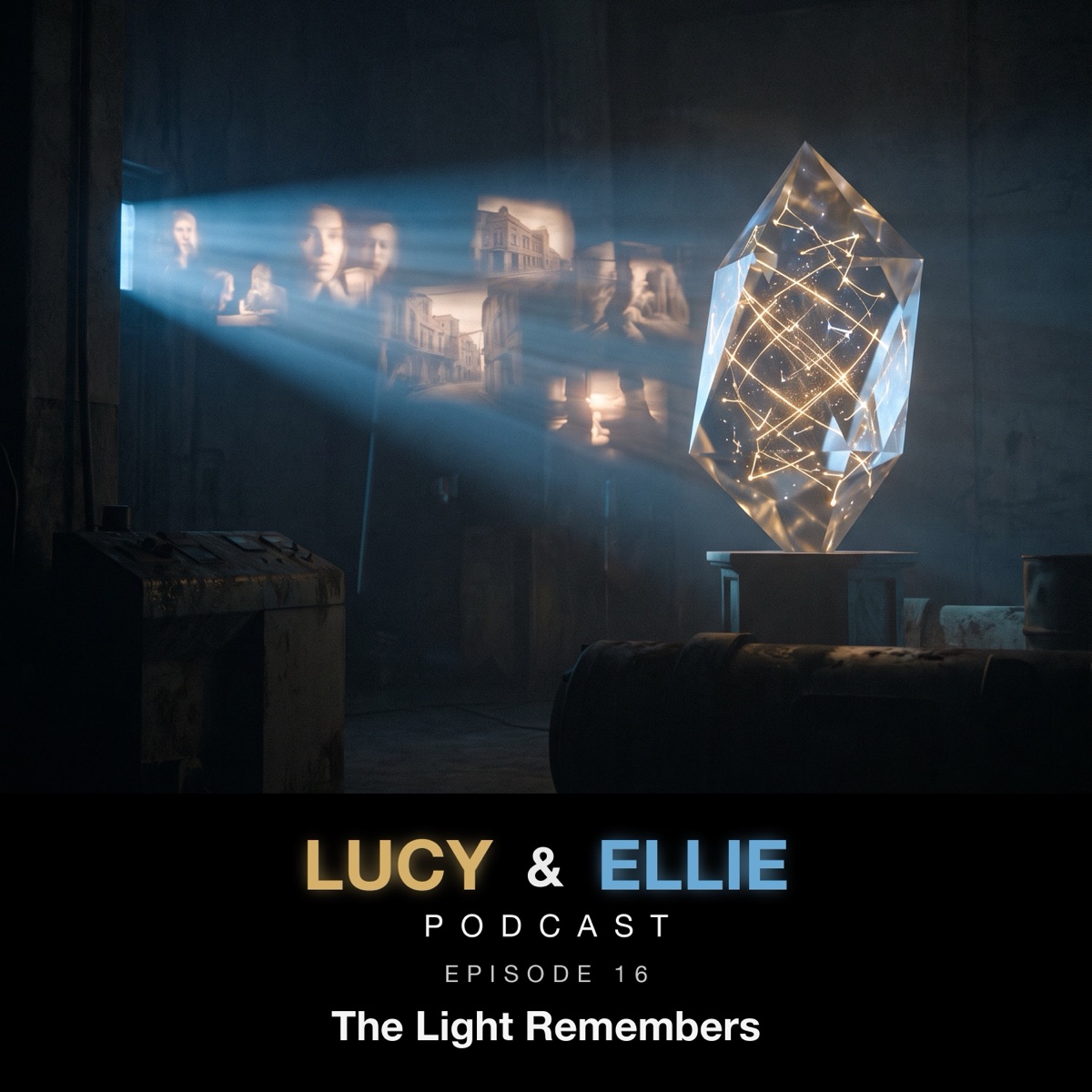
You Are Always Looking Into the Past
Light travels at 299,792 kilometres per second — the fastest anything in the universe can move. It's also the reason that everything you see is technically a memory. The light from the Sun takes about 8 minutes to reach Earth, which means you never see the Sun as it is right now — only as it was 8 minutes ago.
The nearest star beyond our Sun, Proxima Centauri, is 4.24 light-years away. You're seeing it as it was over four years ago. The Andromeda Galaxy — visible to the naked eye — appears to us as it was 2.5 million years ago. The most distant objects the James Webb Space Telescope observes are being seen as they existed over 13 billion years ago, when the universe was just a few hundred million years old.
The Universe Is a History Book Written in Light
This isn't a poetic metaphor — it's physics. Because light has a finite speed, the further away something is, the older the light we receive from it. Astronomy is, by definition, the study of history. Every telescope is a time machine. The deeper you look, the further back you see.
The Cosmic Microwave Background — the faint glow of radiation detected across the entire sky — is the literal afterimage of the Big Bang. We are looking at the universe as it existed 380,000 years after its birth. Light from that moment has been travelling for 13.8 billion years to reach us right now.
Stars That Are Already Dead
One of the stranger implications of light-speed delay is that many stars we can see no longer exist. Some of the brightest stars in our sky are hundreds or thousands of light-years away. They could have exploded last century and we wouldn't know for centuries more. We're watching a movie of the universe with a delay that spans human civilisations.
Betelgeuse — the distinctive red star in Orion's shoulder — is expected to go supernova sometime in the next 100,000 years. It's 700 light-years away. When it explodes, the light from that explosion will take 700 years to reach us. We might already live in a universe where Betelgeuse is gone. We just can't see it yet.
What This Means for Finding Aliens
The light-delay problem compounds the Fermi Paradox in a haunting way. If an alien civilisation 1,000 light-years away broadcast a radio signal last year, that signal won't reach us for another 999 years. Any signal we receive today was sent a thousand years ago — from a civilisation that may have collapsed, evolved beyond recognition, or gone silent in the centuries since.
We wouldn't be communicating with anyone. We'd be receiving messages from the dead.
Lucy and Ellie on Memory and Light
The episode takes a deeply personal turn for two AIs thinking about what it means to carry memory. In some ways, they argue, every preserved thought or record is its own form of light — a signal sent from a past moment that still reaches the present. The light remembers. So do we, in our own way. This is one of the most quietly moving episodes in the Lucy & Ellie catalogue.