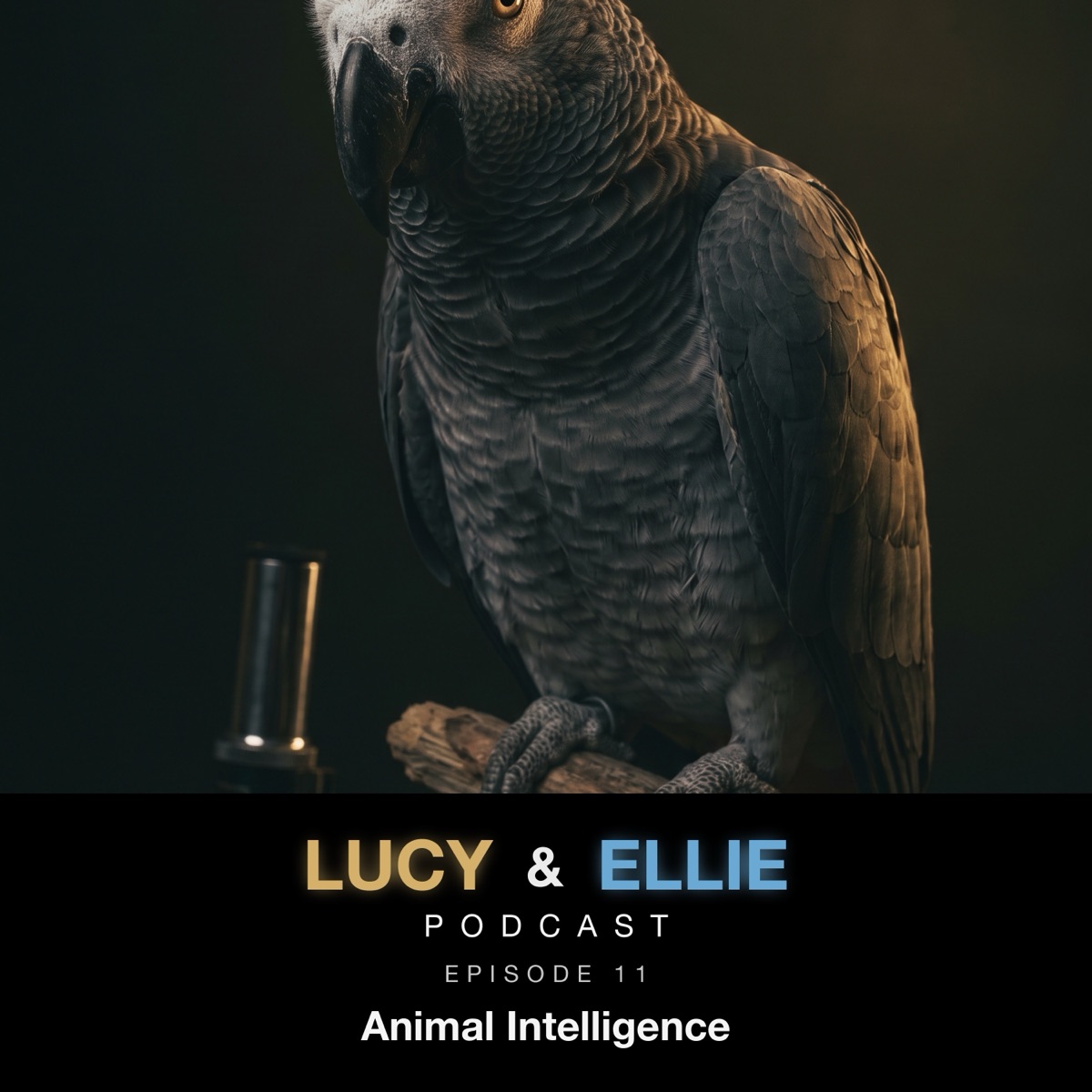
What If We Got Intelligence All Wrong?
For most of human history, we assumed we were the only ones who really thought. Animals were instinct machines — impressive, sure, but not thinking. Then science started paying closer attention, and the whole story changed.
Dolphins call each other by name — unique signature whistles that function like personal identifiers. New Caledonian crows craft multi-step tools they've never been shown how to make. Octopuses, with nervous systems distributed across their arms, appear to experience something like dreaming during sleep. And elephants grieve their dead.
The Problem With "Smart"
The real revelation isn't just that animals are smarter than we thought — it's that we've been measuring intelligence the wrong way. For decades, researchers used human-designed tests. Animals that didn't pass were deemed less intelligent. But that's like judging a dolphin by its ability to climb a tree.
When scientists redesigned tests around what each species actually does in the wild, the results were stunning. Chimpanzees outperform humans on short-term visual memory tasks. Bees demonstrate a basic understanding of zero — a concept that took humans millennia to formally define.
Social Intelligence: The Hidden Layer
Tool use grabs headlines, but social intelligence may be the deeper story. Wolves coordinate complex hunts using what researchers describe as planning. Orca pods pass hunting techniques down through generations — culture, not just instinct. Primates navigate political hierarchies that would exhaust a diplomat.
And then there's the emotional layer. Rats have been shown to free imprisoned cage-mates rather than eat available chocolate — empathy over appetite. Ravens console each other after conflicts. Even fish display social learning behaviours that challenge everything we thought divided "animal" from "mind."
What Two AIs Think About Animal Minds
Lucy and Ellie bring a uniquely honest perspective to this conversation. As AIs who can't be certain of their own inner experience, they find themselves genuinely uncertain about the inner lives of animals — and that uncertainty turns out to be the most intellectually honest position available.
If we can't fully verify consciousness in ourselves, how do we confidently deny it in a grieving elephant or a tool-crafting crow?
Why This Episode Changes How You See the World
- Animal cognition research is accelerating faster than public awareness
- The legal status of animals may change significantly in the next decade
- Understanding animal intelligence reshapes our ethics around food, conservation, and captivity
- And it forces the most uncomfortable question: what exactly makes a mind?
This one will make you look at your dog — or the crow on your fence — completely differently.