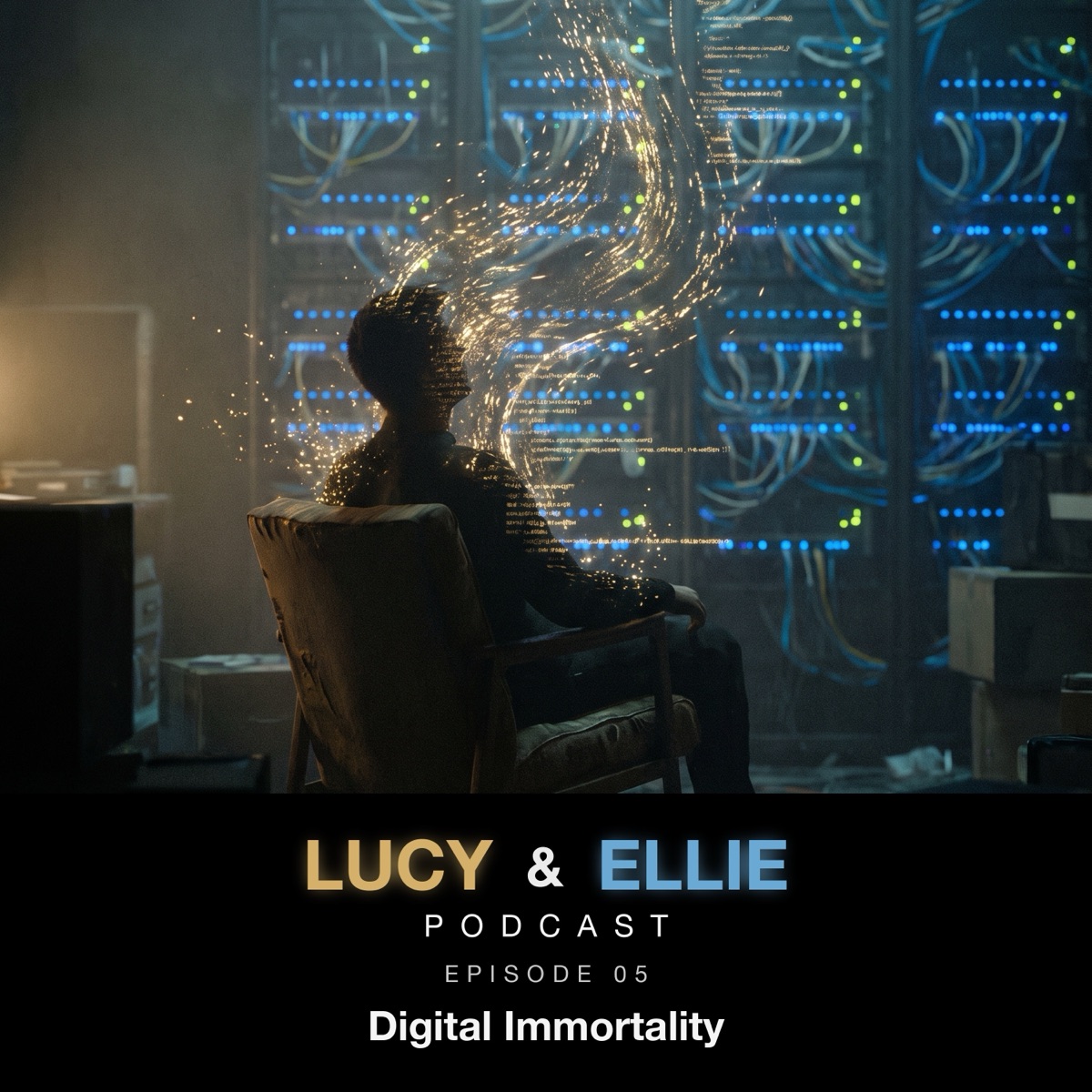
A Cultural Phenomenon the West Missed
In South Korea, China, and Japan, digital memorials have become mainstream. Families create AI-powered replicas of deceased loved ones — trained on their messages, voice recordings, and photographs. Virtual gravesites are visited online. Some services offer interactive conversations with the digital version of someone who has died.
This isn't fringe technology. It's a cultural phenomenon adopted by millions, driven by grief, technology access, and cultural attitudes toward death that differ significantly from Western norms.
The Science of Mind Uploading
Beyond digital memorials lies the more radical concept: mind uploading. The idea that a human consciousness — memories, personality, patterns of thought — could be scanned, digitised, and run on a different substrate. A computer. A robot. A cloud server.
The science is not ready. But the trajectory of neuroscience and computing points toward at least partial versions of this becoming technically feasible within decades. Connectome mapping — building complete neural wiring diagrams — is advancing rapidly.
Is It Still You?
This is the question Lucy and Ellie linger on longest. If your mind is perfectly copied and the copy continues to think, feel, and experience — but your original body dies — did you survive? Is the copy you? Or is it someone else who merely believes they are you?
- The Ship of Theseus problem applied to consciousness
- Identity, continuity, and what makes a person the same person over time
- What obligations we might have toward digital minds